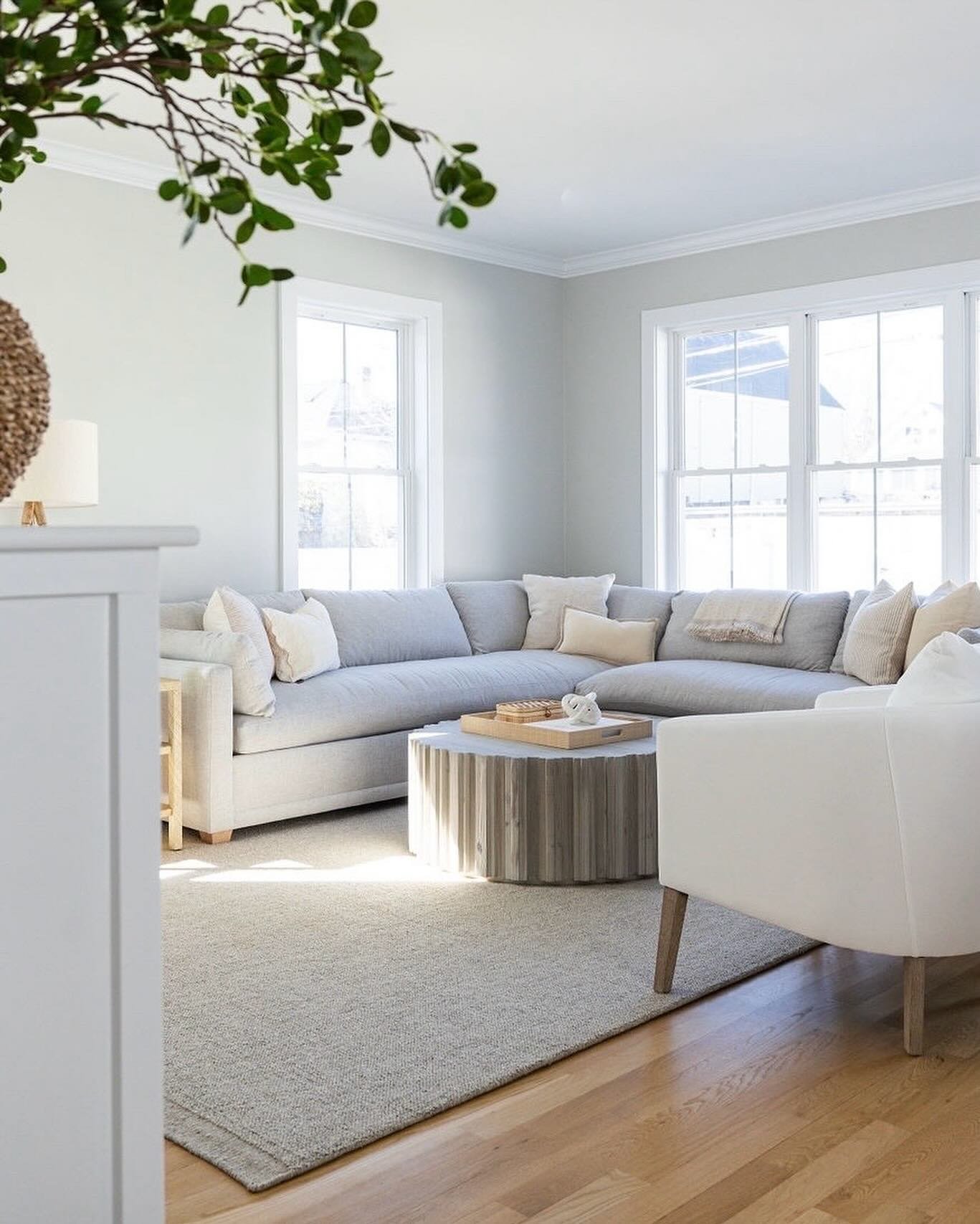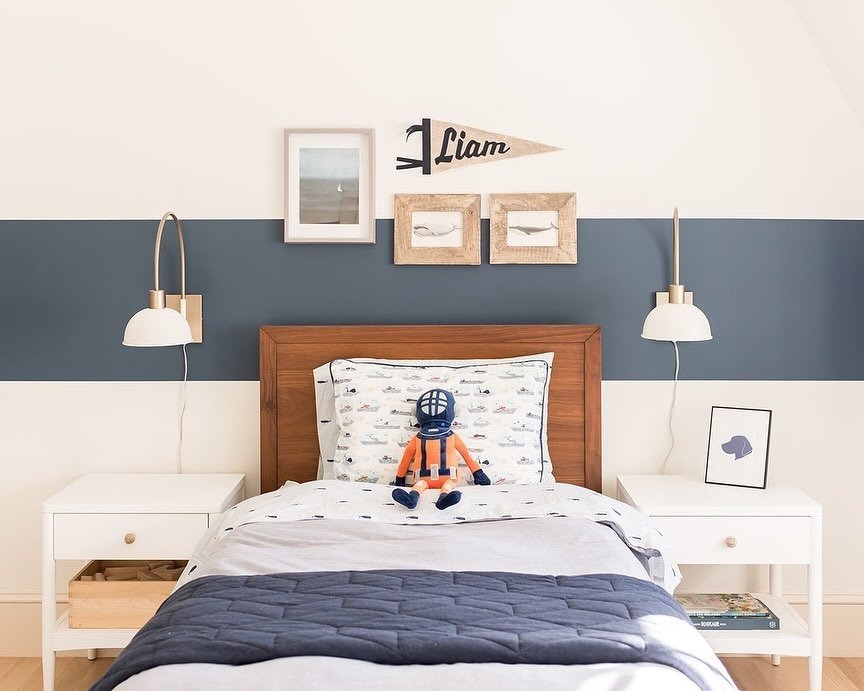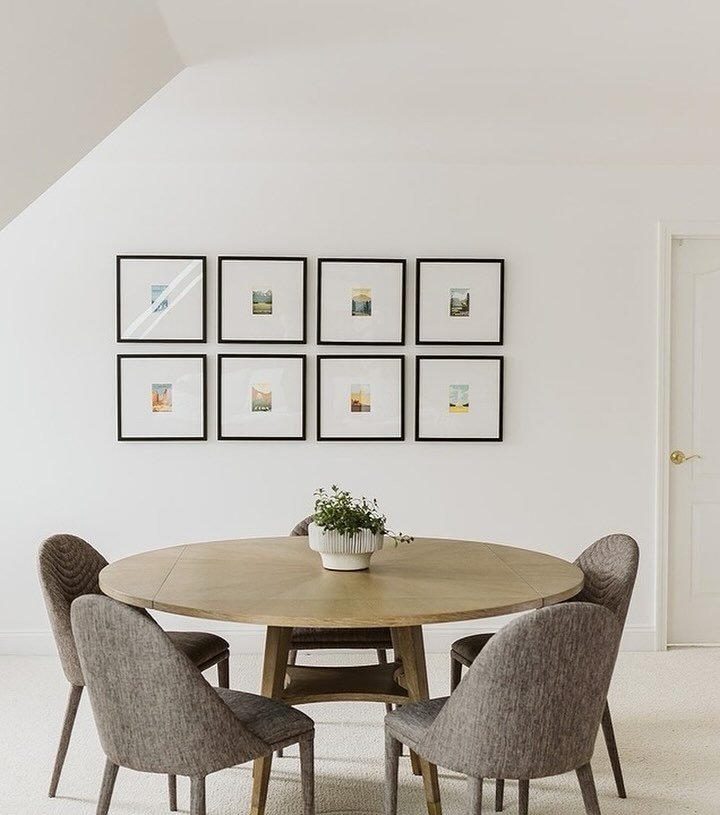
2022 Design Trends

We are just a couple weeks away from 2021 coming to an end. Can you believe it? Who else feels like this year has gone by SO quickly!?

With the end of the year just about here, it’s the perfect time to make some projections for the year to come - goals, accomplishments, and of course, trends. Trends are prevalent within many industries, but especially so within the world of interior design. While timeless pieces will forever be valued, and hold a certain power, incorporating trends into your home provides some fun. Looking at the same, old style and stuff can get boring. Leaning into trends (especially in a budget-friendly way) can satisfy that need to freshen things up.

So, today, we are making some predictions for 2022 interior trends and giving you product round-ups to make them happen in your home.

THE MUTED SIDE OF SATURATED COLORS

A saturated color is a deep, rich color (the opposite of pale) - like a ruby red or a forest green. Years back, you probably heard the term “pop of color” as a way to describe using one or two bold colors throughout a space to add some energy and cohesion. Then there was a period of time when no color was the color. Spaces that were fully white or some version of light gray were IN. Big time.

We’re now seeing color return, but in a more muted way. Still bold colors - like red, green, blue and yellow. But think cranberry, not fire engine. Or olive, not lime. It’s the more earthy version of color. While color can be daunting for some people, don’t be scared. Colorful decor can bring a lot of personality without a lot of commitment.

1) Suede Pillow Covers

2) Color Block Mason Jar Collection

3) Blue Fringe Throw Blanket

4) Miniature Vases


LIGHT WOOD

Light tones will continue to take precedent over dark tones when it comes to natural wood furnishings. Lighter wood tones (think pine, white oak and maple) are having an extended moment for good reason - they work with farmhouse, Scandinavian, rustic, modern and traditional (think old New England homes with original pine floors) styles. They are a design chameleon and have the magical nature of feeling both then and now. Lighter color in general can also make a space feel big and airy.

1) Chair with Natural Leg Finish

2) Natural Accent Chair

3) Hargrove Buffet

4) Solid White Oak Table

5) Canyon Natural Nightstand


RIBBED AND REEDED EVERYTHING

Ribbing is the new cane. It adds texture…and you know how much we love texture. We talk about it a lot/too much. Texture adds interest to a space without being too dramatic. It’s a great design choice for people who shy away from color but don’t want to be boring and great for people who want to layer on all the extras that make a space WOW (because it plays well with more loud elements - like saturated color).
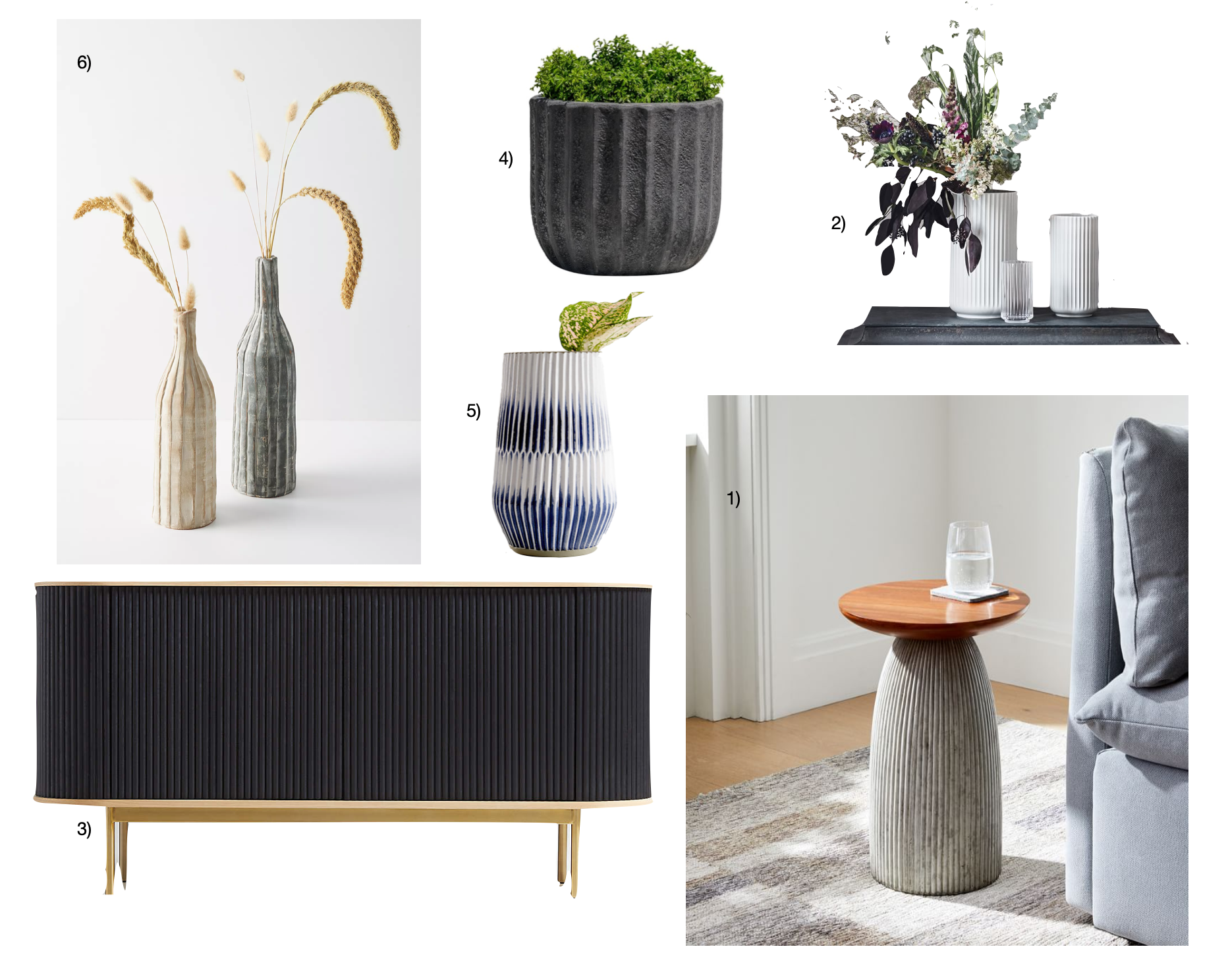
1) Odin Side Table

2) Lyngby White Porcelain Vases

3) Walton Ribbed Sideboard

4) Maris Planter

5) Piega Small Blue and White Vase

6) Ribbed Clay Decorative Vase

WALLPAPER

Wallpaper is actually not a trend, it’s officially the norm. We believe everyone should have a little bit of wallpaper in their home. Whether it’s the back of a built-in bookcase, in a powder room, or an accent wall in a bedroom - wallpaper adds interest/color/pattern/personality (or all of the above). Everyone wants their home to feel uniquely theirs (us too). Wallpaper is a great way to make this happen.

If you would like to see an example of a dramatic wall mural, and how it ties together the theme of a space, check out our Sevinor Boys Project to see wallpaper in action!

1)  Peonies Wallpaper

2) Palmetto Wallpaper

3) Broad Stripes

4) Pinstripe Floral

5) Blue Cranes

6) Gray Waves


THE COLOR GREEN

Green tones were already on the shortlist for the next big trend, and then the pandemic made us all feel a desire to connect more deeply with nature. Whether it’s a forest green kitchen island or a spa-like sage rug for the primary bedroom, all shades of green are bringing the happy and the calm. A couple things we all need.

1) Faux Silver Dollar Eucalpytus Branch

2) Chunky Knit Throw

3) Harris Leather Accent Chair

4 )Madera Pillow

5) Landscape Art

6) Bird Art

ARCHES

It started with the arched hutch that you are now seeing everywhere (like here), and it has extended to everything from lamps to chair backs. Is this a resurgence of art deco vibes? We like to think it’s the shape of a rainbow on the horizon.

1) Gold Rainbow Accent Lamp

2) Decorative Arch Figurine

3) Wood Arch Set of 3

4) Azibo Woven Wall Hanging

5) Texturized Paper Mache Art

6) Rattan Arch Mirror

7) Tabitha Arc Mirror

And there you have it! While timeless pieces will always be valued, trends make life (and home) exciting and fun. We hope you all have a healthy and happy new year, and that you stick around for more blog posts next year. We can guarantee there are some you don’t want to miss.

- Nisha (I’m new here!)

*This post contains affiliate links*


Favorites Round-up: White Poufs

Every now and then an email rolls into our inbox (hello@grayoakstudio.com) asking for a source from a project photo found through Pinterest/Instagram/Facebook or our portfolio. The most asked for source (by far) is the pouf from the family room in our Hutchinson Project.

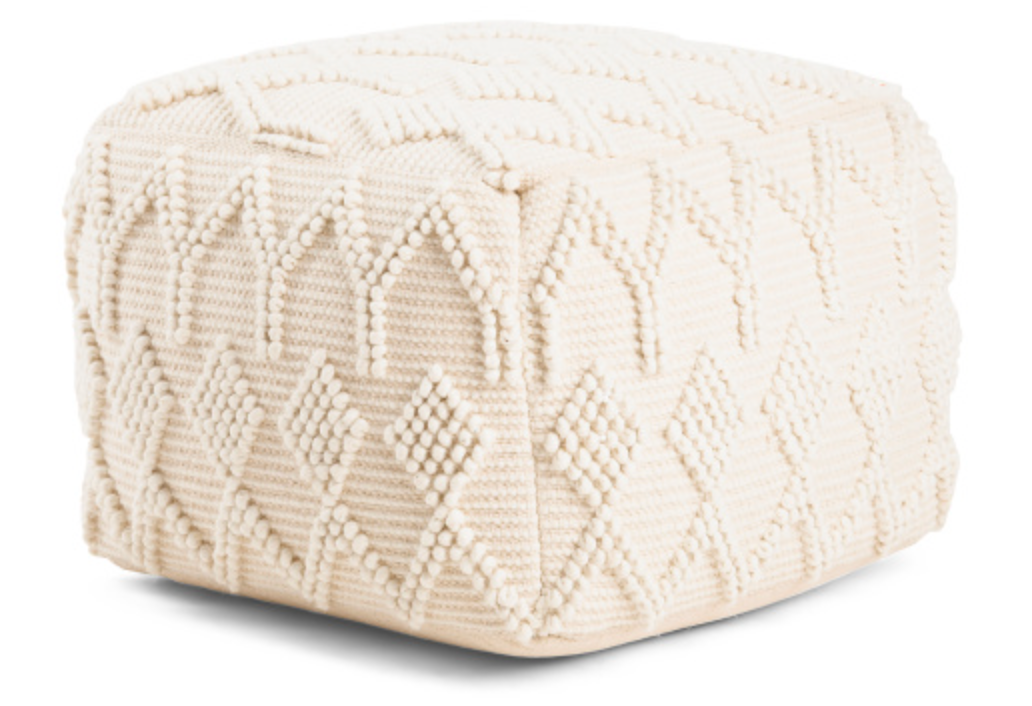
Ivory Wool Nubby Pouf

We get it. They are sort of the wow moment in this room. They’re oversized and textural and right in the middle of the action. So, to start this round-up, here is the link to get your hand on one of these (they run out of stock frequently, keep checking back if they’re not currently available).

 
Gray Oak Studio - Boston Interior Design - Favorite Pouf
 

In addition to being frequently out of stock, they are not budget-friendly. So, we wanted to throw out an alternative option. It’s our version of the look for less (it’s only $60!). Link here.


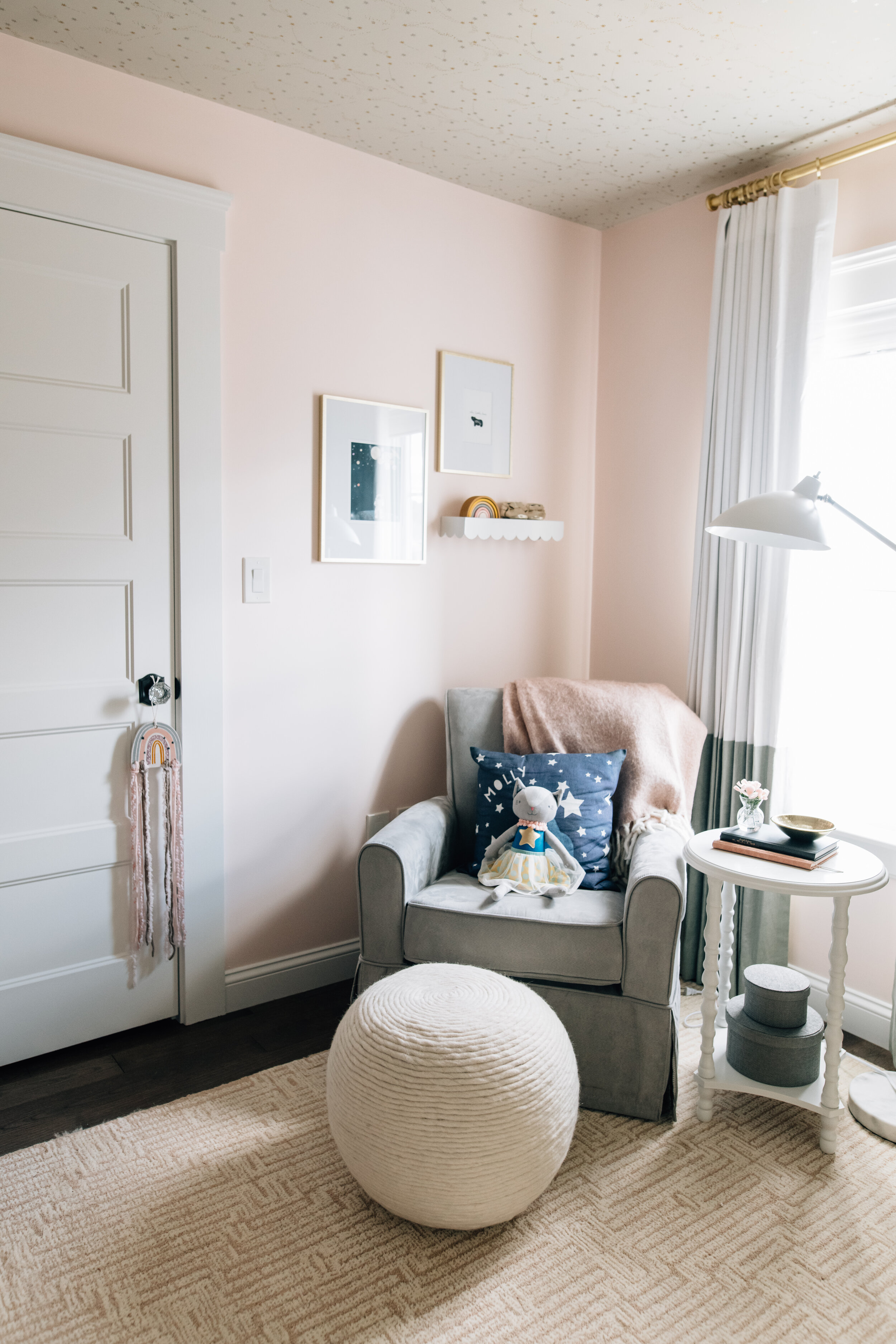
But wait, there’s more! In the girl’s nursery from our Prospect Project we also used an ivory, wool pouf. It gets a lot less fanfare, probably because the star of that room is the wallpapered ceiling, but it’s also really good. And also more cost effective.


It’s round, which is important in some spaces. It also has a more modern feel with the clean lines instead of the nubs. Here is the link.


And here is the full roundup with all the price points for your shopping enjoyment.

White Pouf Roundup.jpg

Hope you’re having a wonderful week!

- Leah

*this post contains affiliate links*

Lessons from Before and After - Mixed Up Molding

Today’s blog post is inspired by our Fairchild Project. It’s a lesson in how molding and paint can change everything. Plus we’re going to share some thoughts on window treatments and cased openings. It’s a bit of a design lesson and we’d love to hear whether this type of content interests you (versus shopping round ups or project reveals) - leave a comment with your thoughts!

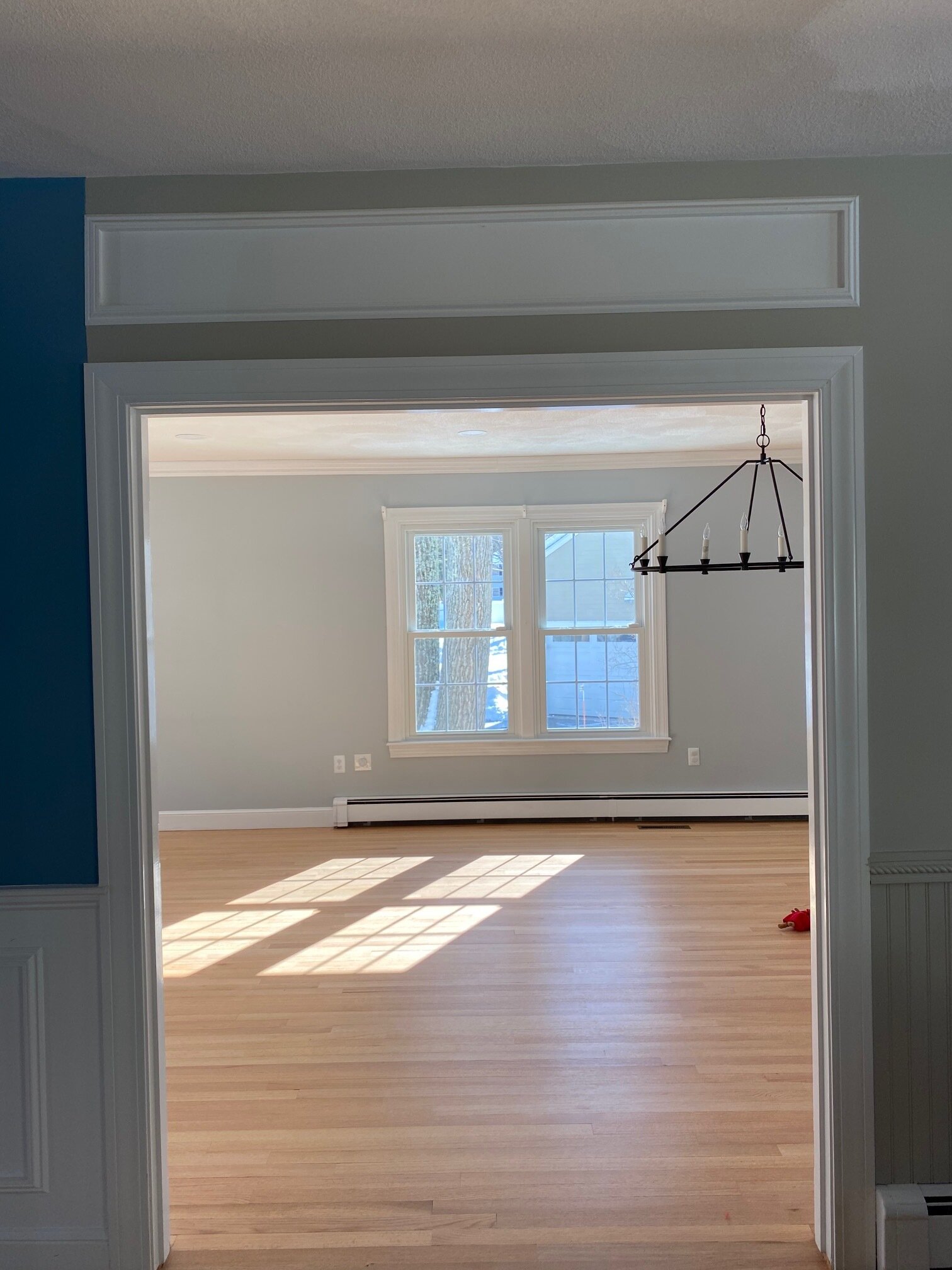
Ok, here we go. Below is a photo of where we started.

 
BEFORE

BEFORE


In this 6 foot stretch of wall we have 3 wall colors and 5 types of molding (two different types of box molding, trim around the cased opening, beadboard, and chair rail. It’s very confused. It’s way too much.

Here is a labeled version of the photo so you don’t miss any of the madness.

Wall paint and molding transformation - Boston based interior designers

 Lesson 1: One wall = One color

We’re talking about the wall, not the trim (not baseboard, not door/window trim, not crown molding) and not the ceiling. The trim and ceiling will most often be white or maybe a different contrasting color or maybe everything will be the same color (that conversation is for another lesson!). And yes, there will be the occasional wall with stripes and wallpaper with a million colors. But, without further confusing the matter, the rule in its most simple form is that each wall should be one color only. You switch colors at natural and intentional places. A new room can be a new color. If you’re painting an accent wall, you switch colors at the corner.

In this before, the blue wall ends at one side of the cased molding without any natural stopping point. It’s not a corner and there is no full floor-to-ceiling-trim to define the end. The painter had to freehand a straight line in two spots. If you have to free hand the end of one color and the beginning of a next, don’t.

Lesson 2: Pick a molding and stick to it

Pick one style baseboard, one style crown molding, and one style window and door trim for your home. Then if you’re going to do decorative molding on the wall - shiplap, beadboard, box molding, etc. - pick one per room. Too many different ideas will fight with one another and become a distraction. You don’t want people to wonder if something was on purpose. Good design looks (and is) intentional.

Now let’s talk about the after.

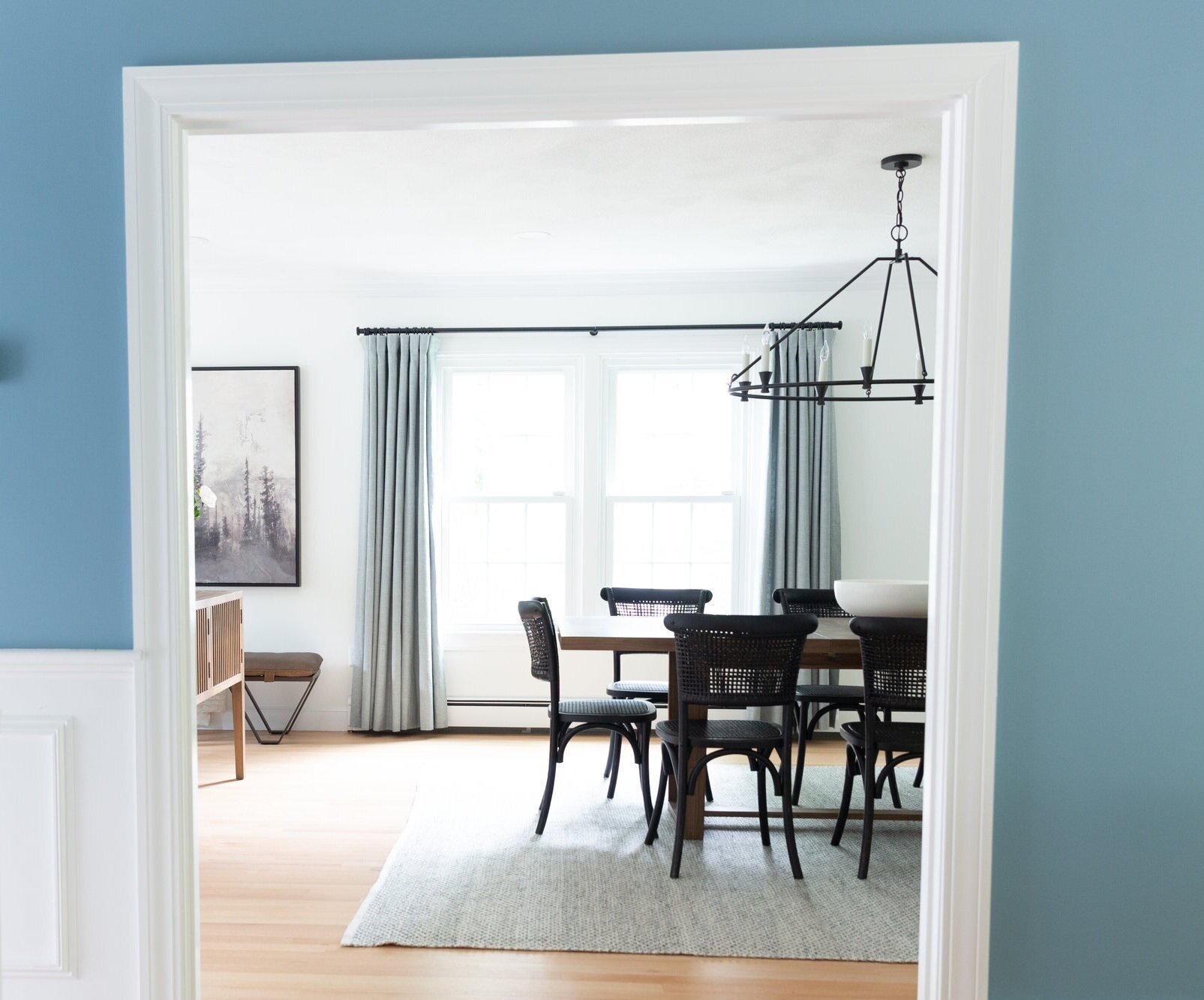
Fairchild-50.jpg

We resolved the paint problem by continuing the blue to both sides of the wall, ultimately ending the blue at a corner (not pictured). We resolved the molding mixup by removing most of it. We 86’d the box molding above the cased opening. It was connected to nothing…just sort of floating up there. We also removed all the beadboard and the chair rail. Not only is the beadboard and chair rail (on the right in the original) different from the box molding (on the left) in actual look and construction, it’s also a different in style. Box molding is a traditional woodwork. Beadboard with that specific chair rail has a cottage/country feel.

Why did we choose the box molding over the beadboard? A couple reasons. First, the box molding continues down the hall and is a big presence in a connected area of the home. Second, box molding is traditional (aka classic) and not niche or trendy. Classic elements mix with everything. They play nicely.

Two more quick lessons while we have you.

Lesson 3: Drapes make a room feel taller

We are the first to concede that drapes are not for every room. We don’t use them everywhere and we don’t love them everywhere. However, in a dining room with short (or just not tall) ceilings, they are magic. Check out the side-by-side below.

Without the visual context that curtains provide, the room looks squat. Add the curtains and everything is taller and bigger. Curtains draw the eye up and finish the space. Hence, the second half of this lesson is to install your curtain rods as high on the wall as they will go!

Lesson Four: Use a Cased Opening Like a Picture Frame

The glimpse of a room that you see through a cased opening should be intentional. We’re coming full circle back to Lesson 1 because it really is all about being intentional with your choices. You can center something in the cased opening - a fireplace, a table, a sofa, an oversized piece of art. Or you can give part of the furniture story, purposefully revealing only half the scene. It’s the same principal as photo composition. Sometimes asymmetry and the thing not pictured are just as good (if not better) than the carefully centered portrait.

In our furniture plan for the dining room, you see half the dining room table and half the chandelier through the cased opening. It wouldn’t have been nearly as beautiful if you saw just one candlestick of the chandelier. That’s not enough to give you a sense of what’s happening. It also would have been a fail if the cased opening framed a mostly empty part of the room. Unlike a fully open concept space, a cased opening requires you to consider what will be seen when looking from one room through a somewhat constricted lens to the next room. So, compose your vignette purposefully.

Design School is out for the day. Now go and enjoy your weekend!

- Leah

* this post contains affiliate links*